





 New Code Sent!
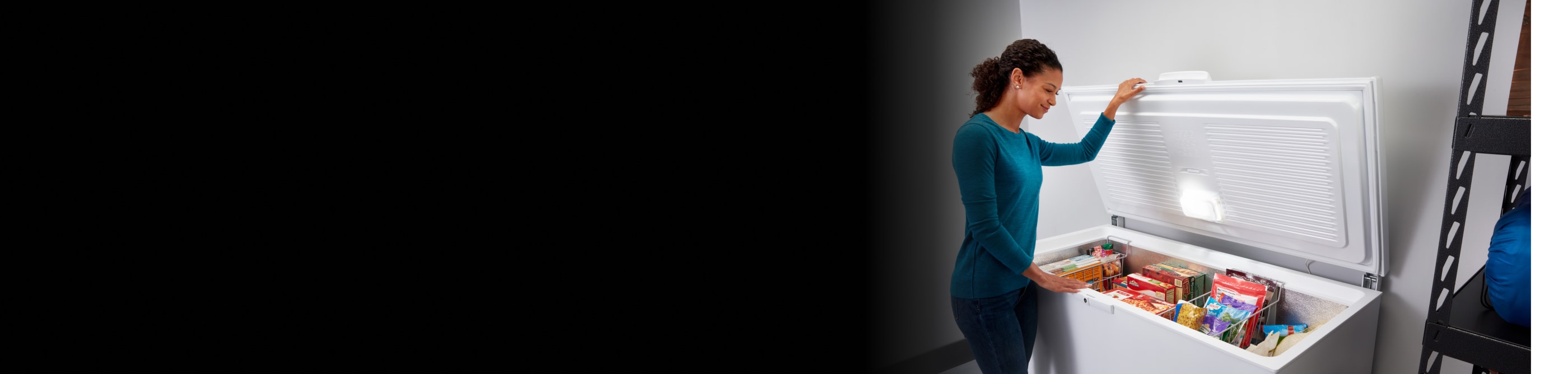
HOW TO DEFROST A FREEZER FAST IN 5 STEPS
Keeping the walls of your freezer frost-free can help promote air circulation and give you more room to store what you like most. See the guide below to learn 5 simple steps for defrosting a freezer, find out what causes ice build-up and learn tips for preventing layers of frost.


WHY IS MY FREEZER ICING UP?
Opening your freezer door allows heat and moisture from the outside air into the freezer cavity, causing temperature fluctuations that can result in frost build-up. Frost can layer into thick sheets of ice that block vents and temperature sensors, making it harder for your freezer to cool properly and keep ice build-up at bay.
IS ICE BUILD-UP IN A FREEZER BAD?
Ice on the freezer walls can obstruct components that help regulate temperature, impacting the freezer’s performance. As ice builds up, you may also notice less room to store frozen foods and discover more freezer-burnt foods as temperature fluctuations cause ice crystals to form.
HOW LONG DOES IT TAKE TO DEFROST A FREEZER?
Defrosting time can depend on how thick the ice is on your freezer’s walls. The freezer is finished defrosting once all of the ice inside melts, which can take anywhere from 2 to 24 hours.
You can help your freezer defrost faster by keeping the door open as the ice melts and pointing a fan toward the freezer cavity.
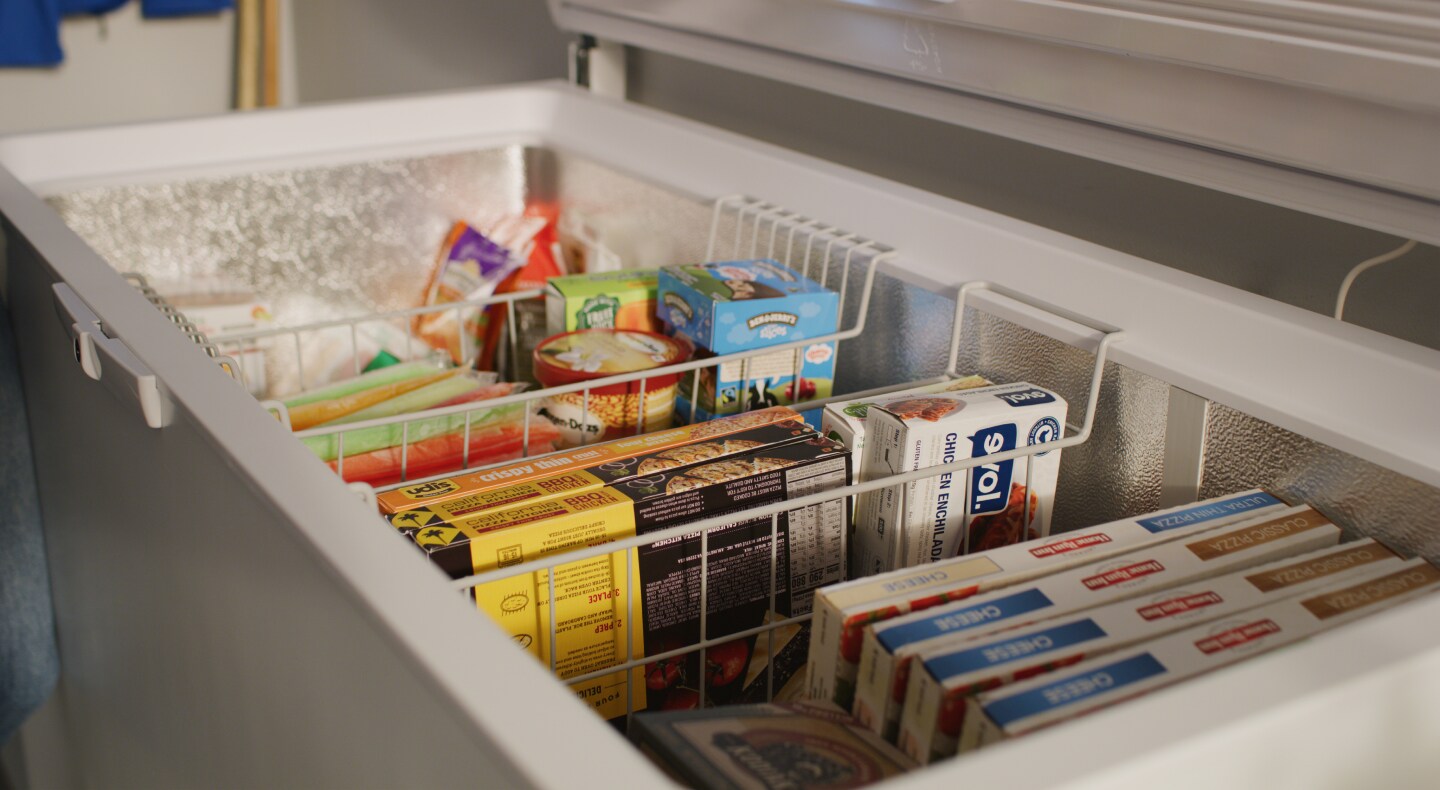
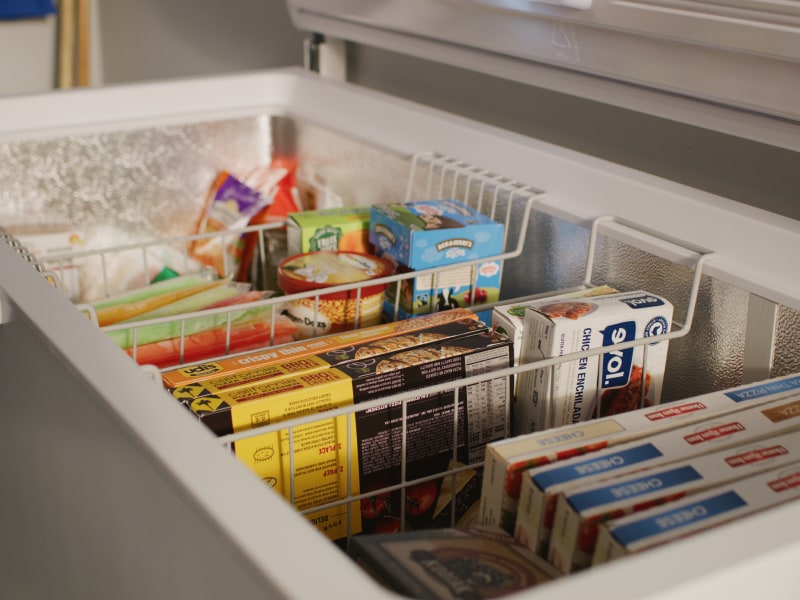
HOW TO DEFROST A FREEZER
Whether you’re defrosting a chest freezer, upright freezer or fridge-freezer combination, read the steps below to learn how to prepare, defrost, clean out and reload your freezer.
SUPPLIES
Baking soda
Mild dish soap (optional)
TOOLS
Cooler
Beach towels and/or plastic liners
Old rags
Low basin/bucket (optional)
Fan (optional)

1. SHUT OFF AND EMPTY FREEZER
Unplug your freezer and transfer all frozen food to a cooler. It is important to keep your food as cool as possible as you work on defrosting your freezer. You can also take this opportunity to throw out any old or expired food items.
If it’s small enough, consider moving your freezer outside or to the garage before defrosting to help make the cleanup process easier as the ice melts.

2. PREPARE FOR WATER DRAINAGE
Make a plan for how you’ll drain or sop up water as ice melts. Wedge towels or old rags in the lower shelves of your freezer and lay down large towels or a plastic liner in front of the freezer.
Your fridge freezer or deep freezer may have a drainage hose. If so, place the end of the hose in a low bucket or basin. You can even tilt the freezer back slightly using shims underneath the front feet to help drain water quicker.

3. ALLOW ICE TO MELT
Defrosting is simplest when you let the ice melt on its own. You can help accelerate the process by leaving the freezer door open and pointing a fan toward the open compartment to circulate room-temperature air through the freezer.
If you’re crunched for time and need to defrost more rapidly, try placing pans of hot water in the freezer with the lid open to speed up melting, or use a plastic scraper to help remove frost as it softens.

4. CLEAN OUT FREEZER
Mop up water and wipe down the walls of the freezer as the last of the ice melts away. Use towels to sop up any residual water, then clean out the inside of the freezer with baking soda or a mild liquid soap and warm water.
To clean with baking soda, combine one tablespoon of baking soda with four cups of hot water, then dip a rag in the solution and wipe down all freezer parts including the racks, walls and gasket seals. Use a rag to dry the inside of the freezer before plugging it back in.

5. PLUG IN AND REFILL FREEZER
Plug the freezer back in and wait until it reaches 0ºF (-18ºC) before returning food. Cooling time depends on how long the freezer is unplugged, the freezer type and its size.
SHOP MAYTAG® CHEST FREEZERS
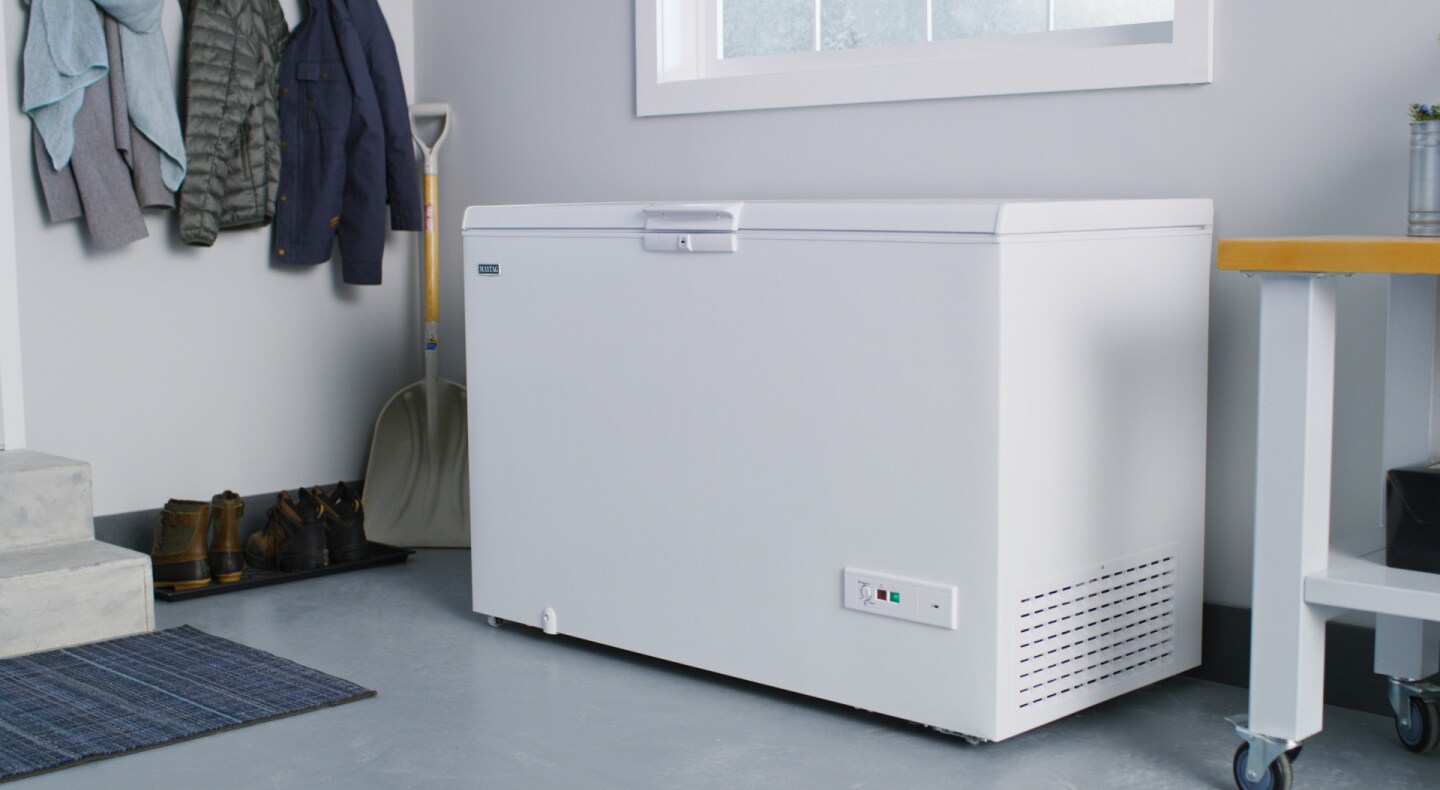
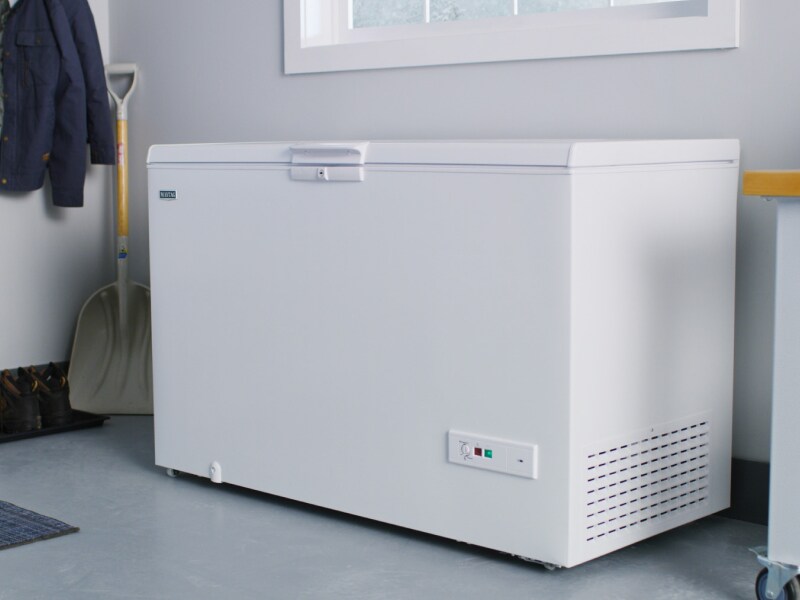
When you’re looking to store frozen items, you need something that will hold the cold. Maytag® chest freezers are built to last with durability infused into the parts and pieces you use most—like the heavy-duty baskets, thick insulation, a triple sealed gasket and a dependable compressor.
HOW OFTEN SHOULD I DEFROST MY FREEZER?
You should defrost and clean your freezer at least once a year but may need to do it more often if your freezer is prone to ice build-up or you live in a high-humidity area. Freezers with at least ¼-inch of frost build-up on the walls should be defrosted.
CAN YOU DEFROST A FREEZER WITHOUT TURNING IT OFF?
It’s recommended that you only attempt to defrost your freezer after you have turned it off and unplugged it. This can help reduce the risk of any hazard or injury during the defrosting process.
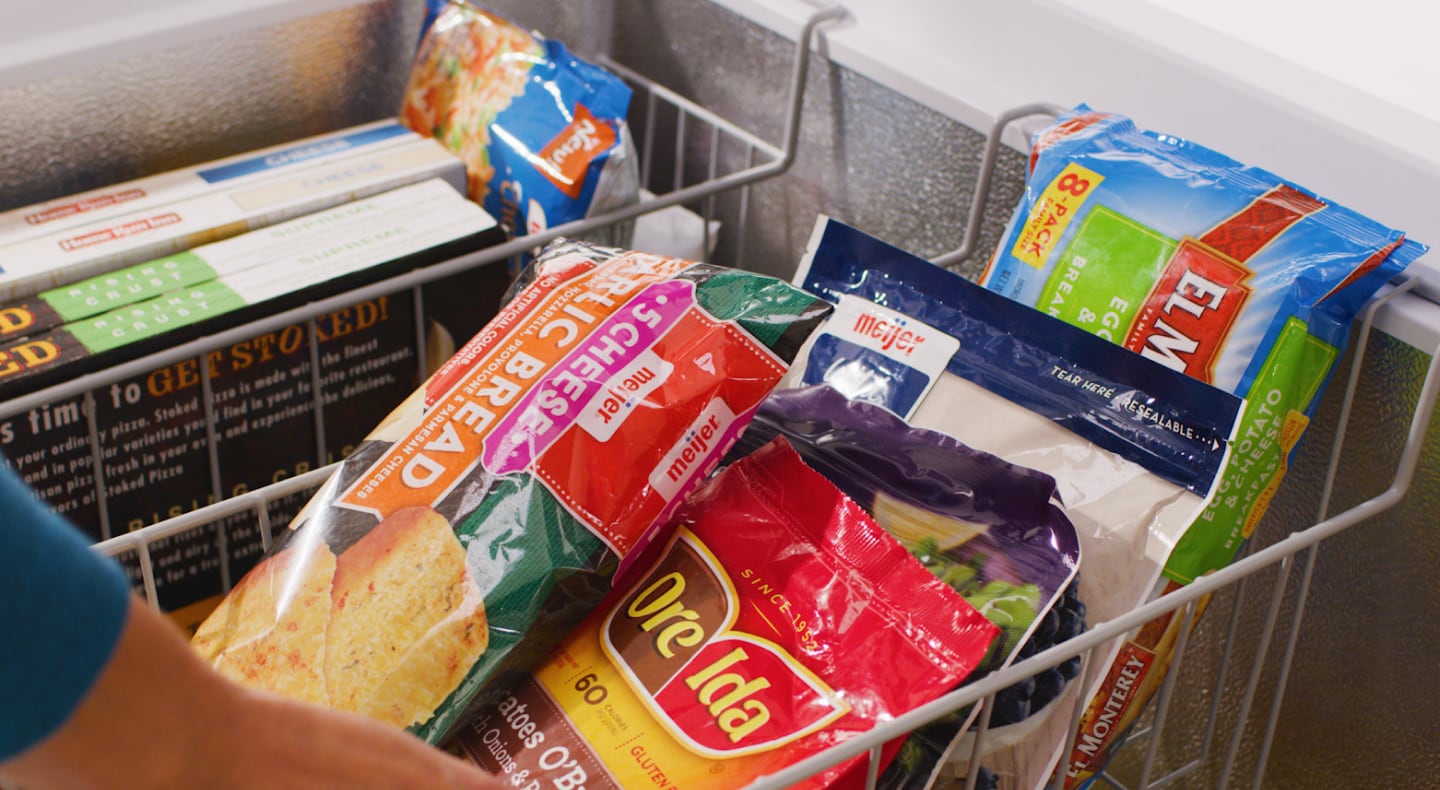
TIPS FOR DEFROSTING A FREEZER
A few tips and tricks can help the defrosting process run faster and more smoothly.
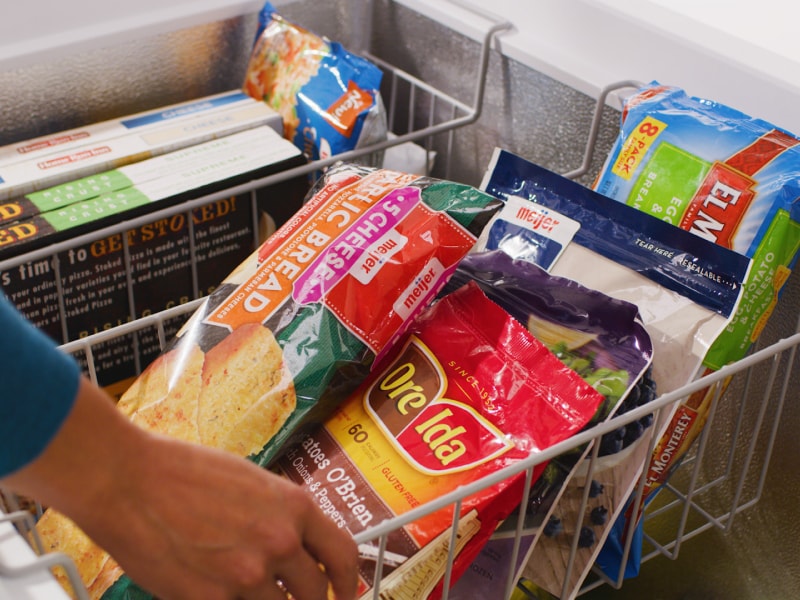
Prep food for removal from the freezer by setting the freezer to its coldest setting about 6 hours before transferring the food to a cooler.
Avoid using sharp-pointed tools that could damage freezer walls, and—for freezers with a drain system—consider using shims beneath the front feet to assist with drainage.
- Wipe down and dry off the freezer gasket seal during the cleanup process.
Remove any contents such as baskets, shelves and drawers for streamlined defrosting and cleaning.
Place bowls or pans of hot water inside the freezer to help speed up the defrosting process.
Dry the freezer thoroughly with a soft cloth before refilling and plugging it back in.
SHOP MAYTAG® UPRIGHT FREEZERS
Upright freezers are ideal if you want a vertical model with a smaller footprint than a chest freezer. Select Maytag® upright freezers come with the Fast Freeze Option, which lowers the freezer temperature with the push of a button to freeze items so they’re ready when you need them.
HOW TO PREVENT ICE BUILD-UP IN A FREEZER
Frost builds up as a result of moisture from temperature fluctuations in the freezer, but you can help avoid these fluctuations by always following recommendations in your owner’s manual and a few simple practices.
Keep your freezer at or below 0ºF (-18ºC) and avoid overcrowding the freezer or blocking air vents to help promote proper airflow.
Cool hot foods in the refrigerator before storing them in the freezer to help prevent radiant heat from impacting the freezer temperature.
Defrost your freezer whenever ice exceeds ¼-inch thick to help prevent excessive or rapid ice build-up.
Inspect your freezer for any old or worn-out parts, such as a warped or torn gasket. This can allow cold air to escape and let warm air in, which can result in frost build-up.
Open the freezer door as little as possible to help prevent humidity levels from rising inside the freezer.
- Try to avoid storing warm or uncovered food to help prevent ice crystals forming inside from the food’s moisture.
- When defrosting your freezer, clean up any moisture inside the freezer promptly to help prevent it from crystallizing into ice build-up once the freezer is plugged back in.
SHOP MAYTAG® FREEZERS
Maytag® chest and upright freezers let you shop and meal prep more of your family’s favorite meals and snacks. Upright freezers from Maytag brand feature a reversible door that gives you the option of opening the door from the left or right side to fit into almost any space. Select chest freezers can even convert to a refrigerator so you can stock up on what you need.


Your subscription was successful
Thank you for signing up. Keep an eye on your inbox for our next newsletter.
Sign Up for More Insights to Stay Connected
Enjoy articles like this? Get helpful guides and appliance care tips sent straight to your inbox.

