





 New Code Sent!

COOKING VS. BAKING: 4 KEY DIFFERENCES
Cooking and baking are both common activities in the kitchen. Some people may even use these terms interchangeably. While it’s true that both processes can result in tasty food, baking typically relies on a precise, scientific process while cooking includes that and more, offering greater flexibility.
Read on to learn four ways they’re different from one another and get answers to common questions about these different food prep methods.

WHAT IS COOKING?
Cooking is the process of preparing food by mixing and heating ingredients to change their chemical composition. It can take place in many places, such as on a cooktop by sautéing, or in an oven by baking, roasting or broiling.
For instance, cooking could encompass sautéing thin cuts of meat, sliced mushrooms, onions and more. You can also cook sturdy vegetables or dense cuts of meat by roasting them in the oven, or broil dishes like homemade mac and cheese or lasagna to brown the surface.


WHAT IS BAKING?
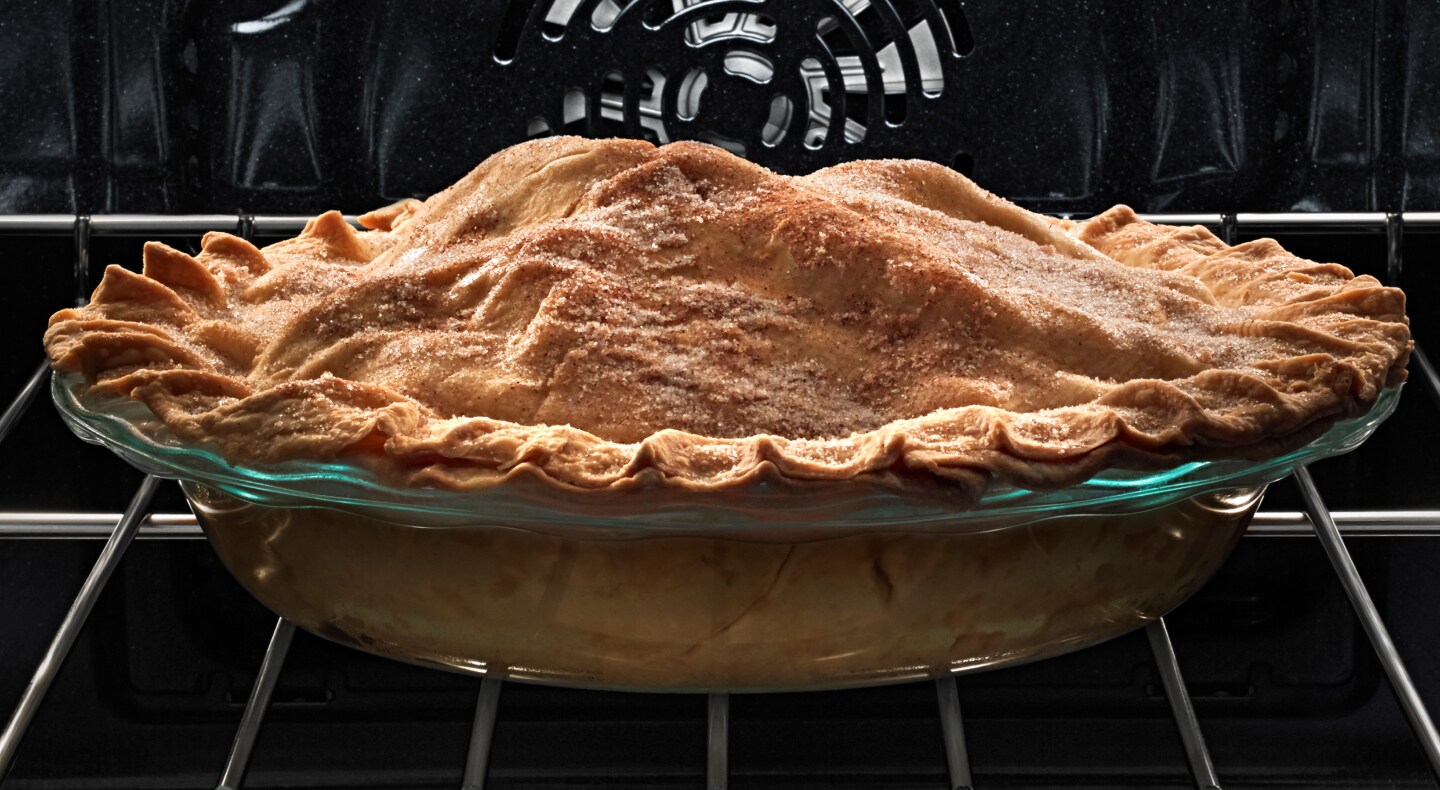
Baking is a specific type of cooking that circulates a dry heat—usually in an oven—to chemically transform food. This technique is ideal for foods that start without structure, like cake batter, bread dough, quiche and more. Baking is a slow process that surrounds unstructured foods with hot air so that they cook slowly, without browning the surface too rapidly.

WHAT’S THE MAIN DIFFERENCE BETWEEN COOKING AND BAKING?
The primary differences between cooking and baking ultimately come down to ingredient precision and the type of heat used. While the cooking definition is broadly explained as combining ingredients and heating them, the baking definition is much more specific; only using dry heat with precisely measured ingredients. That means that all baking is considered cooking, but not all cooking is considered baking.
You can typically expect more flexibility in cooking when compared to baking, both in terms of temperature and ingredient ratios. Explore the comparison chart below to better understand the differences.
| BAKING | COOKING | |
|---|---|---|
| HEATING METHOD | Oven or convection microwave, consistent dry heat | Oven, stovetop, grill, microwave or air fryer |
| EQUIPMENT | Precise, specific tools |
Flexible, multi-use tools |
| MEASUREMENTS / TEMPERATURE | Exact measurements and temp |
Flexible and adjustable time and temp, depending on the recipe and food |
| INGREDIENT INTERACTIONS | Structured, ingredients play essential roles |
Flexible, easy to tweak |

COOKING VS. BAKING: ELEMENTS TO CONSIDER
Baking and cooking may share some tools and techniques, but they differ in key ways that affect how you prepare and execute each dish. From heat sources to measurements and ingredient behavior, understanding the four factors below can help you approach each method with more confidence.

1. HEATING METHOD
Baking is usually only done in an oven since it requires consistent dry heat. Cooking can also take place in the oven; however, there are a variety of oven settings and heating elements that can be used for different outcomes. Since ovens can be used in both baking and cooking, it’s important to get familiar with the different parts of an oven and how they can affect your food’s final result.
You may also be able to bake in a convection microwave, oven or countertop air fryer, since each of these appliances can apply a dry, consistent heat to your food. Cooking, on the other hand, can mean simmering on a stovetop, broiling in an oven, steaming in the microwave and more.
2. EQUIPMENT
Cooking often utilizes tools like knives, pots, pans and various heat sources like a grill, stove, range, wall oven or even certain settings on a convection microwave. Baking essentials are different and can include items such as recipe-specific bakeware, measuring cups, whisks and stand or hand mixers, with an oven, or possibly a convection microwave, being the heat source.
While many of the same tools show up in both baking and cooking, cooking equipment tends to be more forgiving, while baking tools need to be used more precisely. For example, a slightly oversized wok may only subtly affect a stir-fry, but a pan that’s too large for brownie batter can throw off the thickness and bake time, leaving you with flat, dry results.
3. MEASUREMENTS AND TEMPERATURE
Baking requires precision and accuracy when measuring out ingredients; you need exact amounts of each ingredient to get the desired results. For instance, too much flour can make a cake dense, while too little sugar can rob a cookie of volume and flavor.
Cooking, on the other hand, is often much more flexible, as you can frequently taste as you go and adjust recipes to your liking. Baking is also often more sensitive to precise temperatures. Slight deviations in baking temperature, time or even humidity levels can lead to drastically different outcomes in baked goods, while cooking can often be more compatible with improvised cooking temperatures and times based on what you observe as you go, although this does depend on what you’re cooking.
4. INGREDIENT INTERACTIONS
There’s a reason people refer to baking as a science. If you know how ingredients work on a scientific level, then you’ll likely know when to add flour to provide more structure, or what kind of flour to use to impact the softness, crispiness or chewiness of a recipe. You may also better understand how to use eggs while baking, which can bind the fat and liquid of a recipe into a smooth batter, add moisture and act as a leavening agent during baking.
Cooking tends to be more flexible, often allowing you to tweak the recipe to your preference without worrying that these little adjustments will necessarily ruin the overall outcome.
SHOP MAYTAG® WALL OVENS
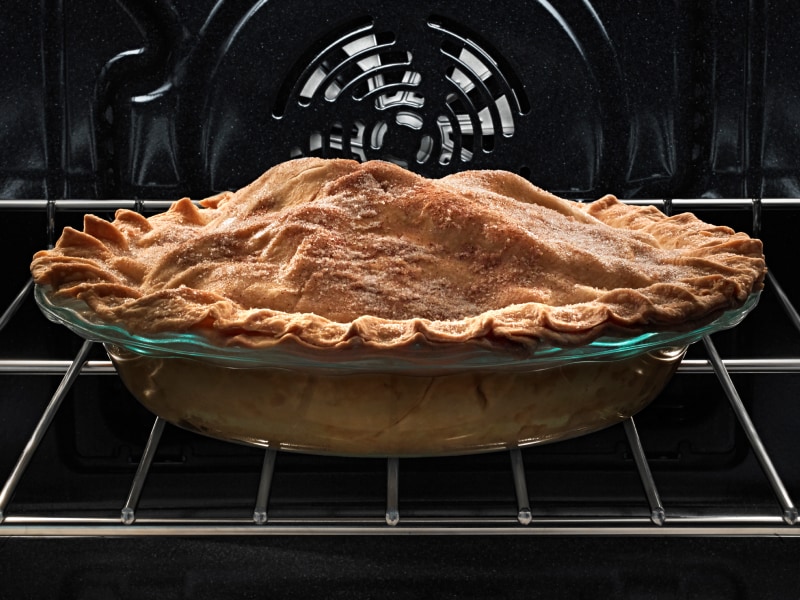
Create anything from roasted chicken and veggies to delicious batches of cakes, cookies or breads in a wall oven from Maytag brand. Select Maytag® wall ovens offer No-Preheat Air Fry that eliminates the preheat process and cooks fried foods fast—delivering a crispy-on-the-outside, juicy-on-the-inside taste using little to no additional oil. Or, take advantage of the Delay Bake setting on select Maytag® models, which lets you place your dishes inside the oven and schedule when you want the baking to begin so your food is ready when you are.
COOKING VS. BAKING FAQS
If you still have questions about cooking vs. baking, check out the FAQs below to learn when to use each method and where to begin.
IS BAKING HARDER THAN COOKING?
Baking isn’t necessarily harder than cooking. It really comes down to your preferences in the kitchen. If you enjoy precision and consistency, then you may find baking to be easier for you. If you enjoy flexibility and creative freedom in your dishes, you might find that cooking comes more naturally to you.
You may find that, when strictly following a recipe, both cooking and baking feel approachable. If you’re considering improvising in the kitchen, it may be ideal to start with recipes that require cooking and are more forgiving and flexible, rather than baking, which requires a solid scientific foundation for ingredient combinations.
WHAT TYPES OF FOODS ARE USUALLY BAKED?
Foods that rely on dry heat and get their structure through baking are typically baked, including breads, cakes, cookies and pastries. These recipes use precise ingredient ratios and controlled temperatures to create rise, texture and consistency, like airy cakes or crusty loaves.
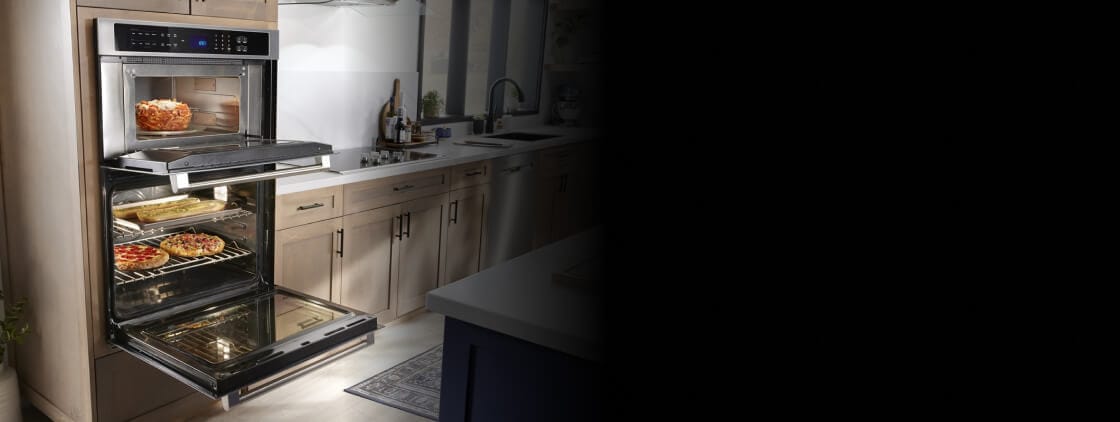
Maytag® wall ovens
WHERE POWER MEETS PRECISION
Get dinner done quicker with features on select Maytag® wall ovens that deliver serious cooking power
CAN THE SAME RECIPE BE COOKED OR BAKED?
Most recipes are designed for either baking or cooking in some other manner. Baking relies on precise heat and structure, while cooking is more flexible. Some dishes can adapt, but swapping methods may change your recipe’s texture, timing and overall results.
WHICH IS BETTER FOR BEGINNERS: COOKING OR BAKING?
Cooking can be better for beginners because it’s more flexible and forgiving—you can taste and adjust as you go. Baking is more precise and sensitive to small changes in measurements, temperature and timing, where even minor mistakes can affect texture or rise.
EXPLORE MAYTAG® RANGES
Whether you want to expand your baking or cooking skills, Maytag® ranges deliver the power and tools you need in the kitchen. Select Maytag® ranges even offer Grill Mode that helps you get the perfect sear all year. Just insert the grill accessory, and you're on your way to that delicious grilled taste right from the convenience of your kitchen—no backyard needed. Find Maytag® range options from gas to electric with durable performance features for every chef or baker.


Your subscription was successful
Thank you for signing up. Keep an eye on your inbox for our next newsletter.
Sign Up for More Insights to Stay Connected
Enjoy articles like this? Get helpful guides and appliance care tips sent straight to your inbox.

