





 New Code Sent!

STANDARD VS. DEEP WATER WASH VS. AUTO SENSING: WHAT'S THE DIFFERENCE?
Washer water levels can affect how clothes move, clean and wear over time, so choosing the right settings makes a difference. Deep Water Wash adds extra water for fuller saturation while Auto Sensing adjusts water automatically to the load and standard water levels use a preset fill for the selected cycle.
Keep in mind that top load washers may be more likely to feature adjustable water levels than their front load counterparts. Read on to compare how each setting works for different load types and laundry needs.

COMPARE WASHER WATER LEVEL SETTINGS
The right amount of water for your laundry load depends on your clothing’s soil level, the load size and the type of laundry you’re washing. Learn how standard water levels, Deep Fill options and Auto Sensing settings compare below.
STANDARD WASHER WATER LEVEL
Every washer’s pre-set wash cycle is unique, designed to provide a specific combination of water levels, wash action, water temperature and spin speeds to clean your laundry. For instance, the “Normal” cycle—or a “standard” wash cycle—typically fills the washer about half full of water (on top-load models), while a Quick Wash or Express cycle may only add a few inches of water to the washer.
DEEP FILL OR DEEP WATER WASH
Deep Fill (or Deep Water Wash, or a similarly named feature, depending on the model of your appliance) adds extra water to your load, usually filling it to the maximum water level. You may want to choose this option for your wash cycle when you clean bulky loads or heavily soiled items.
AUTO-SENSING WASH
Activating the Auto Sensing option (or similarly named feature) on your washer cues the cycle to add just enough water to give your clothes a thorough clean, adapting to the size of your load to help prevent water waste. Using the Auto Sensing option may also adjust the cycle time as it caters to the detected load size, and it can help save energy and conserve water on laundry day.
Auto Sensing typically works by using a load size sensor that measures the resistance in the drum, effectively weighing your laundry load. You may notice the drum spinning as it works to detect the load size. Then, the washer chooses the water level most appropriate for your load.
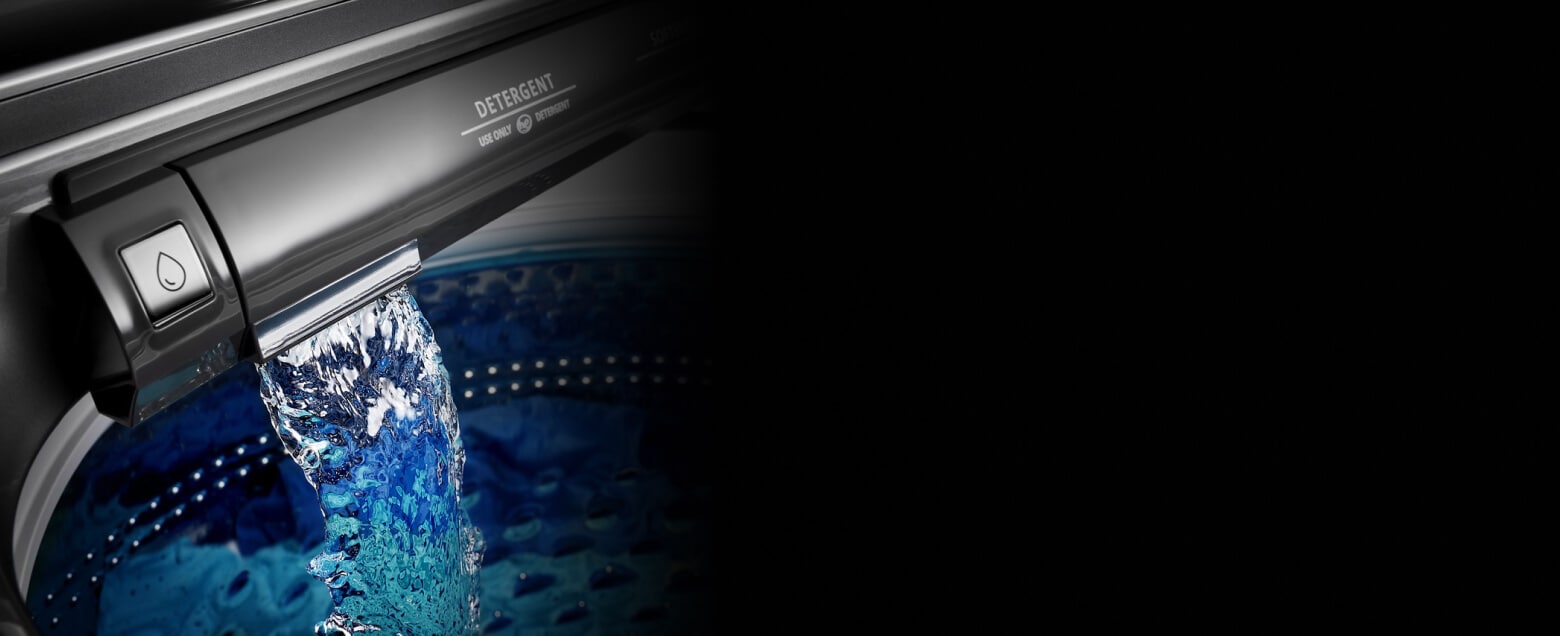
Maytag® Built-In Water Faucet
TACKLE SPOTS AND STAINS
Maytag® washers with built-in water faucet allow you to rinse, spot treat or soak clothes right in the washer—no extra steps needed
HOW TO CHOOSE THE RIGHT WASHER WATER LEVEL
Choosing the right water level comes down to matching your washer’s settings to what you’re putting inside. Your model’s design, available cycle options and the load itself (things like fabric type and how soiled your clothing is) all play a role in getting the right amount of water for the job. Keep reading to learn how to choose the optimal water level for each cycle.
BEST FOR SMALL OR EVERYDAY LOADS
Small or everyday loads can often be paired with low- to mid-fill washer water levels that you may expect from a standard Quick Wash or Normal cycle. When you’re just washing a few items, the Quick Wash cycle combines a few inches of water with high spin speeds to help get your laundry clean fast.
Wash everyday clothing, including moderately soiled cottons, linens or other mixed fabrics, with the Normal cycle that fills the tub about halfway for a thorough cleaning. Selecting the Auto Sense setting on your washer may also give you the right amount of water for these types of loads.
BEST FOR BULKY ITEMS, HAIR OR HEAVILY SOILED LOADS
Deep Fill or Deep Water Wash can help you clean items like towels, jeans and other sturdy or heavily soiled fabrics. Bulky items like bedding and jackets tend to absorb more water than other types of fabrics, so extra wash water can help deliver a thorough clean.
If pets are part of the family, you may find that additional water can help release pet hair from clothing. Some washers—like Maytag® washers with the Pet Pro System—take hair removal a step further with the built-in Pet Pro Filter that helps to remove pet hair when used with the Pet Pro Option.1
BEST FOR WHEN YOU WANT MAXIMUM EFFICIENCY
Because it’s engineered to provide just enough water for each load, you can often rely on Auto Sensing to help conserve water and lead to energy savings over time. Plus, selecting Auto Sensing may result in a reduced wash time when a smaller than normal load is detected.
SHOP MAYTAG® TOP LOAD WASHERS


WASHER FEATURES THAT CAN AFFECT WATER USE
Water level isn’t just about a single setting; several washer features influence how much water is used and when. Some features interact with cycle selection and may alter the water your washer uses. These can include:
Manual water fill option: Some washer models let you override automatic settings on certain cycles, giving you direct control over the water level when needed.
Built-in faucet and soak features: Some washers—like these Maytag® models—include a Built-In Water Faucet to rinse, spot treat or soak clothes right in the washer. After three hours, the water drains, leaving clothes ready for the wash cycle.
Top load vs. front load water usage: Top load washers typically use more water, while front load washers rely on tumbling action and lower water levels to get clothes clean.

WASHER WATER LEVEL FAQS
Using the right amount of water for your load can help your washer clean at its best. Get answers to common questions about navigating water levels below.
Newer top load and high-efficiency models use less water than older models, and the water level can adjust based on the setting you’ve selected. Front load washers, for instance, naturally use lower water levels and work with HE detergent to get clothes clean.
If you’re worried about the water levels in your top load washer, you can run the Clean Washer cycle on select models to help recalibrate the washer and restore factory settings.
No, not all settings are available on every cycle. Deep Fill availability depends on the specific washer model and cycle you’ve selected, and you may see that you aren’t able to select Deep Fill with incompatible cycles when navigating your control panel.
High-efficiency (or HE) washers are specifically engineered to use less water while still delivering an effective clean. They rely on a high-pressure spray and rapid spin action, rather than full submersion, to wash clothes.
SHOP MAYTAG® FRONT LOAD WASHING MACHINES


Your subscription was successful
Thank you for signing up. Keep an eye on your inbox for our next newsletter.
Sign Up for More Insights to Stay Connected
Enjoy articles like this? Get helpful guides and appliance care tips sent straight to your inbox.
Was this article helpful? Pass it on
Explore more with Maytag brand
1. Results vary based on pet hair type and fabric type

