





 New Code Sent!
FABRIC SOFTENER VS. CONDITIONER VS. LAUNDRY DETERGENT
Laundry detergents, softeners and conditioners can all promise fresh, comfortable clothes, but each plays a different role. Use this guide to learn how they compare, explore types of fabric softeners, discover how to use them and determine which clothes benefit from them most.

WHAT IS FABRIC SOFTENER?
Fabric softener is a laundry additive that is formulated to smooth and coat fibers to help soften fabrics, combat wrinkles, reduce static and add a fresh fragrance to your laundry. You can find fabric softener in the form of powder, liquid or dryer sheets.
From softening clothes to simply making them smell better, learn how fabric softener may be a good addition to your laundry routine.
IS FABRIC SOFTENER NECESSARY?
Fabric softener is an optional addition to your laundry routine that should only be used on fabrics made with natural fibers. Fabric softener is not formulated to clean, so you do not need to use it with every wash cycle.
Whether or not you use fabric softener can depend on the instructions on your product’s packaging and what you’re washing. Certain items—like water-repellent gear, flame-resistant clothing, towels and athletic or microfiber fabrics—can lose their effectiveness if treated with softener.
Maytag® washing machines
Designed for performance, control and convenience
Maytag® washing machines take stain fighting seriously with cycles built to push the limits of power
Fabric Softener vs. Detergent: What's the Difference?
The difference between fabric softener and detergent is their purpose. Laundry detergent is formulated to clean your clothes and loosen soils and stains, whereas fabric softener is designed to smooth and add scent to the fabric of your clothes.
Detergent is an integral part of the wash cycle, while fabric softener is optional and should only be used on natural fiber fabrics like cotton. Some laundry detergents come with built-in fabric softener for a convenient 2-in-1 boost. They can help streamline laundry day, but use them wisely. Stick to using them only for fabrics that can handle softener without affecting their quality or performance.

FABRIC SOFTENER VS. FABRIC CONDITIONER: WHAT’S THE DIFFERENCE?
Fabric softener and fabric conditioner are essentially the same product. However, some products labeled “conditioners” also offer extra benefits, like helping to prevent pilling, stretching, and fading.Since fabric softeners and conditioners serve many of the same purposes, you usually won’t need to use both in a single load.
If you’re considering it, check the product label first to see whether it’s recommended for use with other laundry additives.

3 Types of Fabric Softeners
Learn more about the different types of fabric softeners to discover the right option for the way you care for your laundry.

1. LIQUID FABRIC SOFTENER
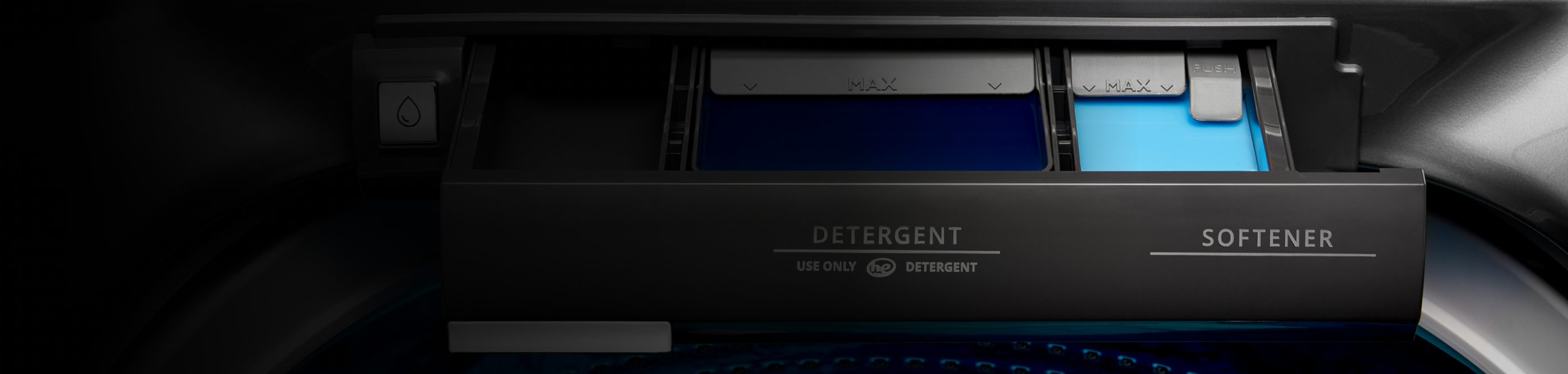
Liquid fabric softener is added to your load of laundry during the final rinse cycle and is either added manually or with the help of an automatic built-in dispenser. Always consult your garment’s laundry care label before using a liquid fabric softener.

2. POWDER FABRIC SOFTENER
This variety of fabric softener is less common. It can be added to your rinse cycle according to individual packaging instructions.

3. DRYER SHEETS & DRYER BALLS
This option may work well if your washer doesn’t have a built-in fabric dispenser, as you simply toss the dryer sheets or dryer balls inside the dryer before starting the drying cycle.
Dryer balls can be a good option for those with sensitive skin as they usually do not include fragrances that can irritate sensitive skin.


SHOP MAYTAG® WASHERS WITH THE BUILT-IN WATER FAUCET
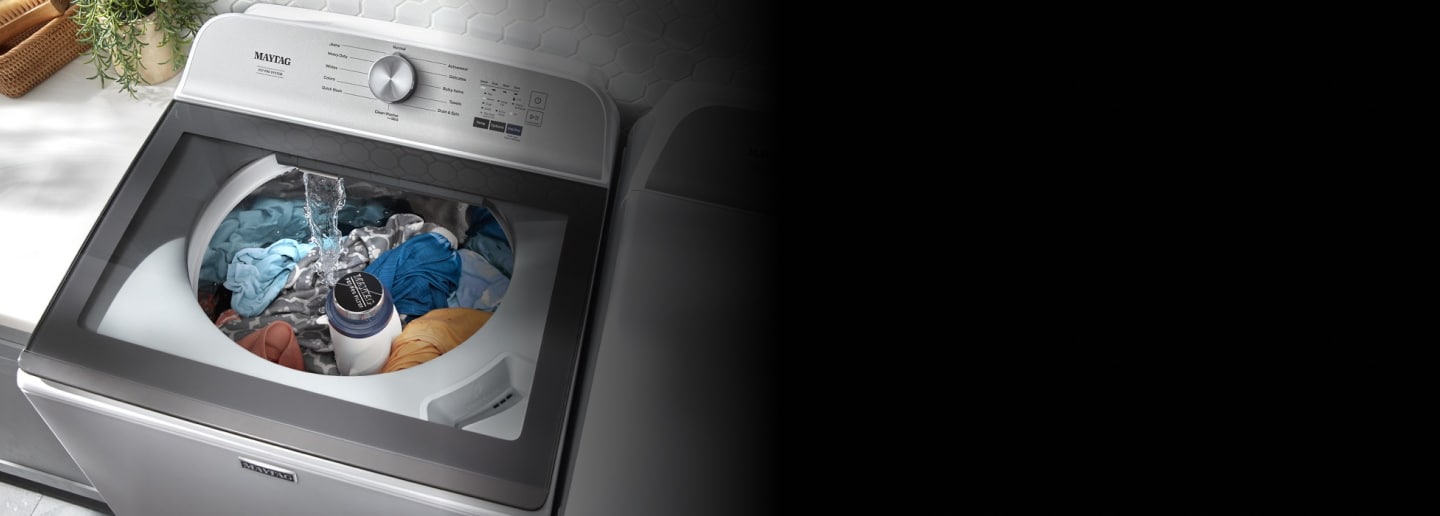
Maytag® washers are built with convenient features that can help you tackle tough loads. The Built-In Water Faucet on select Maytag washers rinses, spot treats or soaks clothes right in the washer—no extra steps needed. After three hours, the water drains, leaving clothes ready for the wash cycle.
DO FABRIC SOFTENERS DAMAGE CLOTHES?
Certain fabrics respond better to fabric softeners than others. The lubricants used in fabric softeners are designed to coat fibers and may leave behind a film that negatively affects certain materials.
Avoid using liquid softener and dryer sheets on the following materials and always check the care label on each item before use.

Athletic Wear & Microfiber
Using softeners may leave behind a coating that interferes with the moisture-wicking and stain-absorbing technology of these fabrics.

Towels
Though using fabric softeners on towels may seem like a natural fit, it can reduce the absorbency of the fabric, hindering its ability to soak up water. However, some people still use fabric softeners on their towels, because they like the softer feel and the fragrance.

Flame-Resistant Clothing
Items like kids’ sleepwear are typically made with flame-resistant fabric for safety, but fabric softeners may coat the fibers, which may reduce the fabric’s ability to self-extinguish.

Water-Repellent Fabric
Softeners can prevent these fibers from repelling water as designed, impacting their effectiveness.
Consider Natural, More Allergy-Friendly Alternatives
If you have fragrance or dye allergies, be aware that some liquid fabric softeners and dryer sheets can cause adverse skin reactions in those with sensitivities. Instead, consider additives like baking soda for a natural alternative to fabric softener. Simply add one cup directly to the washer drum before you start the load to help soften fabrics and neutralize odors.
How Much Fabric Softener Should I Use?
It’s important to use the right amount of fabric softener for the best results. Using too much liquid softener or an excessive amount of dryer sheets can result in buildup on your clothes or in appliances, and lead to issues like a dirty agitator.
As there can be some variance in dosing based on brand and variety, you can find out how much softener is right for your load by looking at the individual packaging. Keep in mind that even the right amount of fabric softener can contribute to some buildup inside your washer, so be sure to clean your washer regularly to help it function at its best.
1. Measure
For liquid or powder softener, start by measuring out the correct amount for your load, as indicated on the fabric softener packaging.
2. Add Fabric Softener
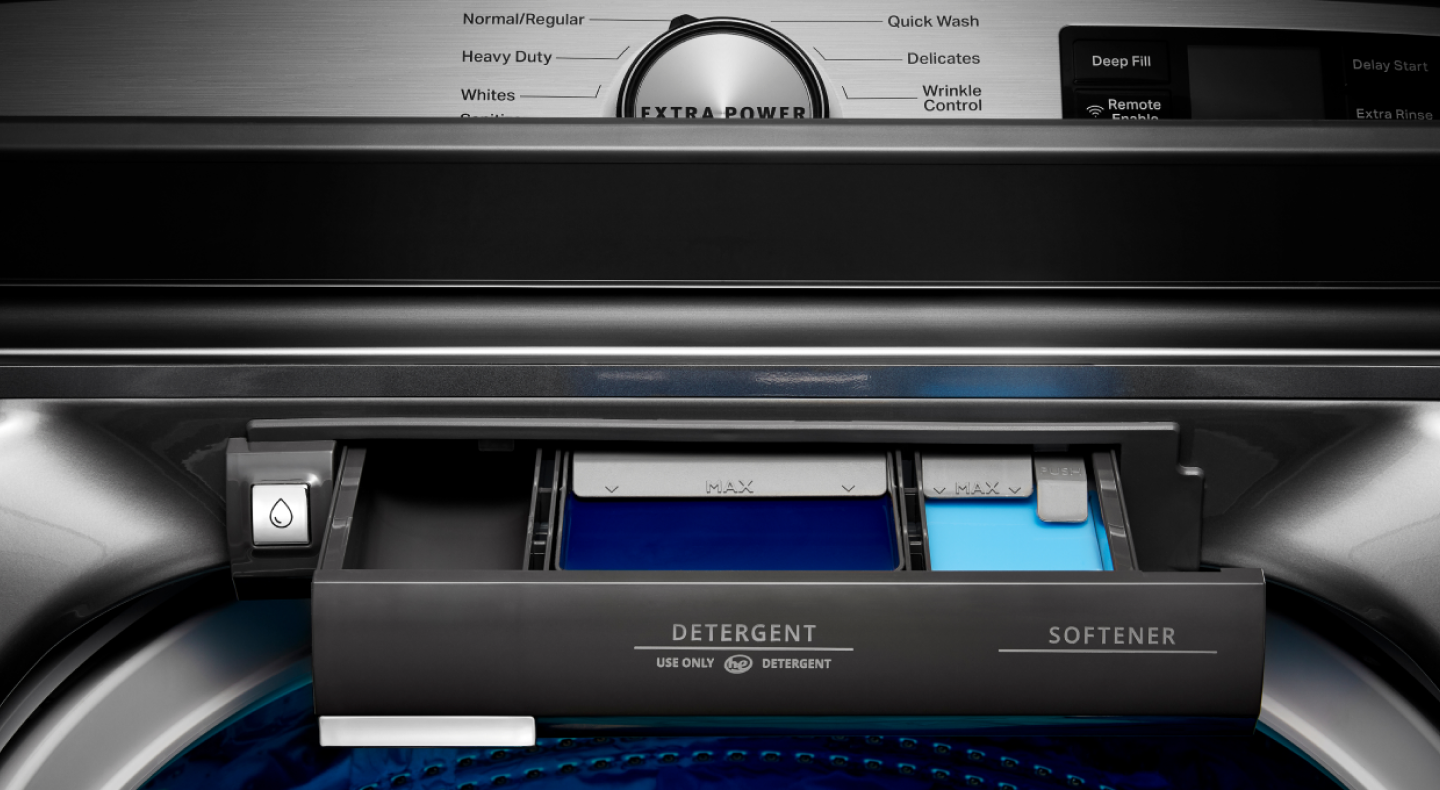
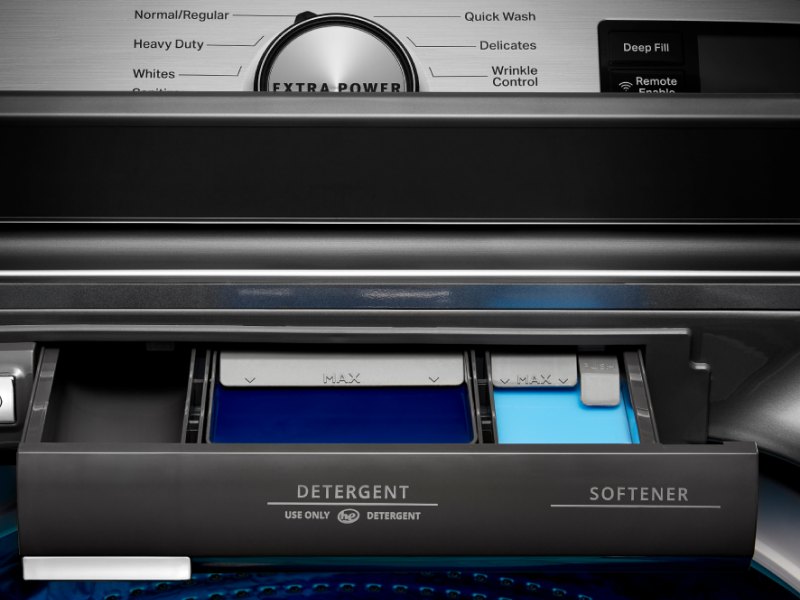
Add liquid fabric softener into the designated softener dispenser at the start of your wash, if available on your washing machine. Check your owner’s manual for specifics.
If your washer doesn’t have a dispenser, add liquid or powder fabric softener manually during the final rinse cycle when the tub is full of water. Do not add softener during the wash cycle, as it will rinse away the effects of the softener.
3. ADD DRYER SHEETS OR DRYER BALLS
Alternatively, you can simply add dryer sheets and dryer balls at the start of your dryer cycle. It’s not recommended to use both fabric softener and dryer sheets since they serve very similar purposes. Reference the packaging for correct usage.
Avoid Staining or Spotting When Manually Adding Liquid Softener
Pour softener into open pockets of water where there is space around clothes, avoiding direct contact with fabrics. This helps prevent staining from oily components often present in liquid softeners.


Shop All Maytag® Washers
You can rely on Maytag® washers to help clean tough messes. Explore top load and front load options with features that fit your family’s laundry needs, like Advanced Vibration Control™ Plus on select Maytag® washers that automatically redistributes unbalanced loads. Or, take advantage of extras like the Steam Option on select Maytag® washers that adds steam to get deep into fibers for potent cleaning action.


Your subscription was successful
Thank you for signing up. Keep an eye on your inbox for our next newsletter.
Sign Up for More Insights to Stay Connected
Enjoy articles like this? Get helpful guides and appliance care tips sent straight to your inbox.

