





 New Code Sent!

FRONT LOAD WASHER & DRYER BUYING GUIDE
Replacing a washer and dryer together may not have been the plan, but if you’ve decided it’s time to replace one appliance, sometimes it may make sense to refresh the whole laundry space. Before you start comparing specific models, don’t forget to work through the basics: what fits your space, what hookups you have or need and what kind of features best complement your lifestyle and laundry habits.
Use this front load washer buying guide and dryer buying guide to walk through laundry pair sizing, compare gas vs. electric dryer hookups, learn about stacking options and compare various features to help you narrow down your options before you commit.

IS A FRONT LOAD PAIR RIGHT FOR YOUR SPACE?
A front load pair may be worth it if you want to stack your laundry units to save floor space, use less water per cycle and get faster spin speeds that help cut drying time. However, keep in mind that a front-loading door typically requires more bending to load and unload your clothes vs. top load options.
Front load washers open from the front instead of the top, which is what often makes many models stackable with a matching dryer. Front and top load washers also have unique console placement, door access and overall installation flexibility, so it's worth thinking through daily habits before you commit to a front load washer and dryer set.

WHAT SIZE AND CAPACITY DO YOU NEED?
Washer and dryer capacity determines how much you can load inside, and finding the right fit for your space can make all of the difference on laundry day. Pair your washer with a dryer of equal or greater capacity, so it can dry a full load in one cycle—and measure your space, including door swing, before you buy.
Keep these factors in mind as you measure your space:
1. Standard footprint: Most front load washers measure about 27 inches wide and 32 to 34 inches deep, with a height around 39 inches. Measure your space, including door swing, before you shop.
2. Washer capacity: Standard front load washers generally range from 4.5 to 5.0 cubic feet, though you may find models with more or less capacity.
3. Dryer capacity: Dryer dimensions often include a capacity that ranges from about 6 to 9 cubic feet of capacity, (though some models vary) with large capacity gas and electric dryers ranging from about 7.0 to 9.0 cubic feet. Make sure you pair your dryer size to your washer’s capacity to avoid bottlenecks on laundry day.
4. Loading guidance: As a general rule, keep items loose and breathable in the drum rather than tightly packed for a thorough clean.
5. Clearance: Beyond the appliance footprint, leave room for hoses, ventilation and door clearance. A few extra inches go a long way as you navigate installation and everyday use.
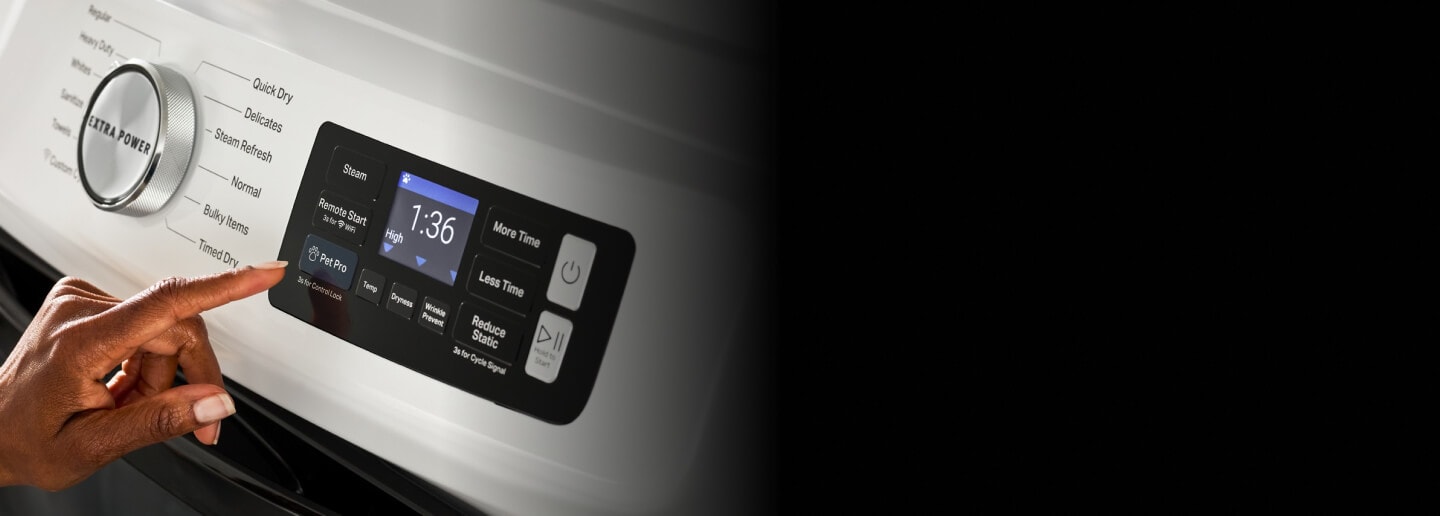
Maytag® dryers
Gentle yet powerful drying action
Let your Maytag® dryer do the heavy lifting with parts and features that get the job done
GAS OR ELECTRIC DRYER: CHECK YOUR HOOKUPS FIRST
Check your laundry room's hookups first; they’ll largely determine whether you need an electric or gas dryer model. Electric dryers usually need four-pronged, 240-volt electrical outlet, while gas dryers generally need a gas line and a standard 120-volt outlet.
Here's how this gas vs. electric dryer comparison breaks down:
| Electric Dryer | Gas Dryer | |
|---|---|---|
| Power needed | Dedicated 240-volt, 30-amp circuit | Gas line + standard 120-volt outlet |
| Plug type | 3-prong (pre-1996 homes) or 4-prong (1996+) | Standard 3-prong appliance cord |
| Ideal fit | Homes without an existing gas line | Homes with a gas hookup already in place |

VENTED VS. VENTLESS DRYERS EXPLAINED
All dryers fall into one of two ventilation categories: vented or ventless. Vented dryers push warm, damp air outside through ductwork while ventless dryers (sometimes called “heat pump” dryers) condense moisture and collect it in a removable drawer or drain it via a hose.
Vented dryers are the most common type but require periodic vent cleaning for optimal performance. Ventless dryers are a great fit for apartments or closets without existing duct access, since they drain moisture away instead of venting it outdoors.
Here's a side-by-side look at how each type dries a load:
| Vented | Ventless | |
|---|---|---|
| Venting Needed | Yes, an exterior duct | No |
| Installation Location | Existing or new ductwork | Nearby drain (or manual water tank) |
| Power Type | Available in gas and electric models | Electric models only |
| Good fit for | Homes with existing ductwork | Closets, apartments without venting |
If you do go with a vented dryer, keep duct length in mind—codes generally cap how far the exhaust run can go, and every elbow along the way shortens that allowance further, so a twisty install may need a shorter overall path. A heat pump dryer (a type of ventless model) sidesteps that math entirely since it doesn't vent outside at all, and according to ENERGY STAR, it can meaningfully cut your energy use over the life of the appliance.
STACKED VS. SIDE-BY-SIDE: PLANNING THE LAYOUT
Stacking your front load laundry pair can save valuable floor space and works especially well in a closet, though it's worth double-checking your ceiling height, since a stacked pair stands taller than either machine alone. Side-by-side setups need more width, but they skip the stacking kit entirely and keep both control panels within easy reach.
Either way, plan to leave a little breathing room behind the units for hoses and ventilation, plus some space on the sides to account for vibration during the spin cycle. Check stackable washer and dryer dimensions for your specific models before you commit to stacking.


MATCHING LAUNDRY PAIR FEATURES
A few front load washer and dryer features may be worth having on your radar, since they can make a real difference on laundry day: consider power boosts, protection against wrinkles if you can't get to the dryer right away and a matching finish. For example, the following features are available on select Maytag® front load washers and dryers:
Washers:
- Extra Power: Boosts stain fighting on any wash cycle with an intense pre-wash and extra agitation so you can walk away while stains wash away.
- 24-Hr Fresh Hold® Option: Keeps clean clothes smelling fresh in the washer with an internal fan and intermittent tumbling that circulates air through clothes for up to 24 hours after the wash cycle ends.
- Steam Option: Steam permeates deep into fibers for potent cleaning action. Combine with the Extra Power button or use on select cycles to help fight stubborn stains.
- Optimal Dose Dispenser: Adds the right amount of detergent when it’s needed, holding enough for up to 8 loads of laundry.1
- Smart Appliance: Stay on top of laundry with end of cycle notifications on your smart device to ensure finished loads aren’t left behind. Get step-by-step pretreating instructions in the Stain Guide to take on everyday tough stains and maximize the power of your Maytag® appliances.2
- Sanitize Cycle: Removes 99.9% of household bacteria3 with the hottest water temperature available from Maytag brand, delivering thorough cleaning and peace of mind.
- Quick Wash Cycle: Using extra high-spin speeds, the Quick Wash cycle cleans small, lightly soiled loads in 30 minutes.4 Get clean clothes fast by pairing it with the Quick Dry cycle on matching Maytag® dryers. Dryers:
- Extra Power: Boosts drying power on any cycle by extending time, heat and tumbling.5 One push helps prevent underdrying by getting thick fabrics, pockets and seams drier the first time.
- Advanced Moisture Sensing: Monitors inside moisture and air temperatures to help evenly dry loads.
- Wrinkle Prevent Option with Steam: The dryer tumbles your clothes with steam for up to 150 minutes after the cycle has ended to keep wrinkles at bay.
- Quick Dry Cycle: Dries small loads fast. Clothes will be ready before you know it when paired with the Quick Wash cycle. Ready to compare models? Shop Maytag® front load washers and front load dryers to find features that add ease to your laundry day.
Dryers:
Extra Power: Boosts drying power on any cycle by extending time, heat and tumbling.5 One push helps prevent underdrying by getting thick fabrics, pockets and seams drier the first time.
Advanced Moisture Sensing: Monitors inside moisture and air temperatures to help evenly dry loads.
Wrinkle Prevent Option with Steam: The dryer tumbles your clothes with steam for up to 150 minutes after the cycle has ended to keep wrinkles at bay.
Quick Dry Cycle: Dries small loads fast. Clothes will be ready before you know it when paired with the Quick Wash cycle.
Ready to compare models? Shop Maytag® front load washers and front load dryers to find features that add ease to your laundry day.
RUNNING COSTS AND KEEPING THE PAIR FRESH
You can help keep a front load pair running well with a few simple habits: Use HE detergent in HE washers, run a monthly Clean Washer cycle and leave the washer door open between loads to help air out the appliance. It’s also wise to clean the dryer's lint filter after every load and clean internal and external venting periodically.
Using the wrong detergent type or too much of it can leave residue behind, so stick to a monthly cleaning cycle with an appliance cleaner as directed in your owner’s manual. On the dryer side, don't skip the exhaust duct cleaning: Improper lint buildup and maintenance can be a hazard.
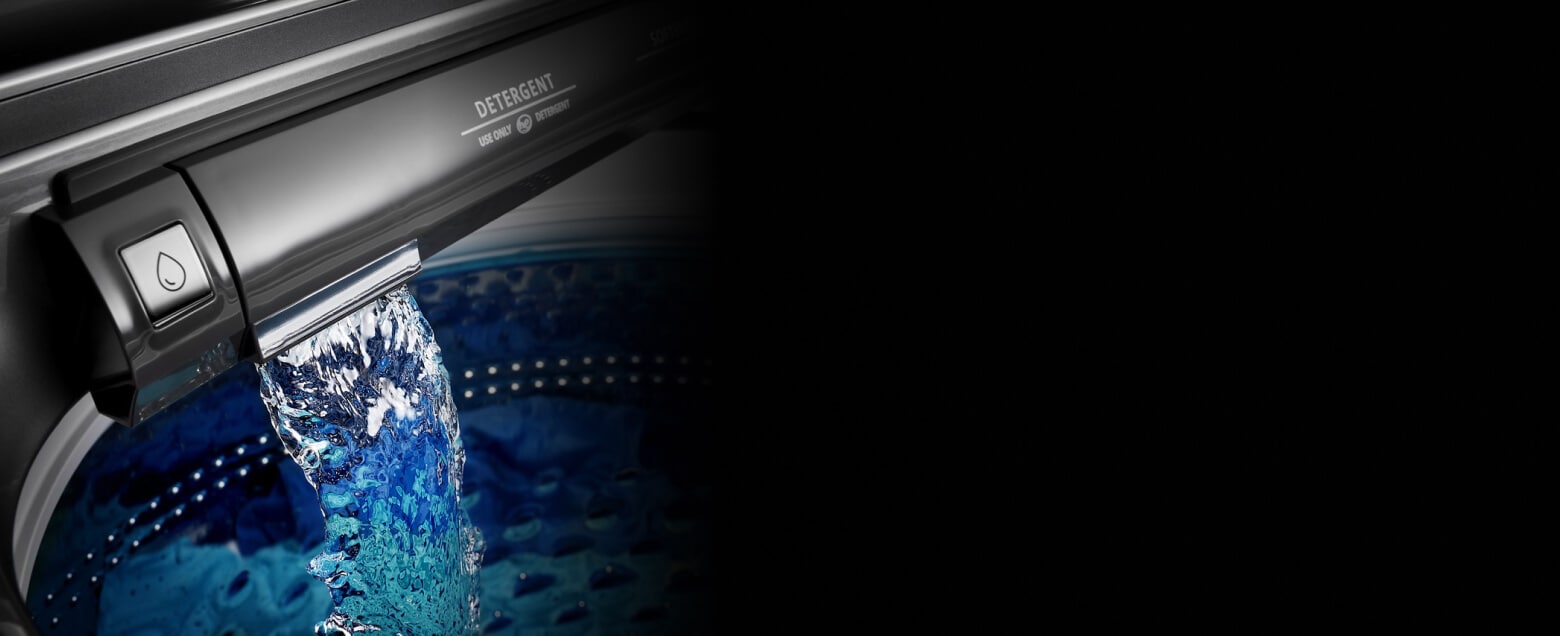
Maytag® Built-In Water Faucet
TACKLE SPOTS AND STAINS
Maytag® washers with built-in water faucet allow you to rinse, spot treat or soak clothes right in the washer—no extra steps needed
FREQUENTLY ASKED QUESTIONS
If you’re still deciding which front load washer and dryer pair is right for you, explore the answers to these common questions for more guidance.
Neither is necessarily better or worse; it ultimately depends on your preferences and your power hookups. Electric dryers need a dedicated 240-volt, 30-amp circuit, while gas dryers need a gas line plus a standard 120-volt outlet. If you already have a gas hookup, a gas dryer can often cost less to run.
Gas dryers can cost more up-front to install if your laundry room doesn't already have a gas line, since running one requires the help of a licensed professional. They also need proper venting.
Not exactly, but they are significantly less popular. According to the U.S. Energy Information Administration (EIA), over 80% American homes use electric dryers. However, gas dryers are available on the market, and the U.S. Department of Energy continues to recognize them as a product category.
Cost varies by local utility rates, but a typical gas dryer cycle runs roughly 28 cents in gas plus a small electric cost for the motor, compared with roughly 54 to 90 cents for a comparable electric dryer cycle.
Not always. Stacking generally requires a front load washer, a compatible dryer and a stacking kit compatible with both models. It is often a good practice to not mix models from different brands while stacking.
A matched washer and dryer set can sometimes come with bundled savings or delivery discounts when bought as a set, though pricing varies by retailer, sale and season. Comparing the total cost of a set against buying each appliance separately can help you find the better deal.
Whether you choose a stackable, front load laundry pair or top load layout, Maytag brand washers and dryers deliver reliable features designed to make laundry day easier. Explore Maytag® front and top load washers and dryers to find the right fit for your routines.


Your subscription was successful
Thank you for signing up. Keep an eye on your inbox for our next newsletter.
Sign Up for More Insights to Stay Connected
Enjoy articles like this? Get helpful guides and appliance care tips sent straight to your inbox.
Was this article helpful? Pass it on
Explore more with Maytag brand
1. Based on an 8-lb load.
2. Appliance must be set to remote enable. WiFi & App Required. Features subject to change. Details and privacy info at maytag.com/connect.
3. Bacteria tested were S. aureus, P. aeruginosa and K. pneumoniae.
4. Based on a 3-lb load.
5. Results may vary based on load size and type.
This article includes AI-generated content that our human team has reviewed and edited to ensure quality.

